Discover Lifestyle Medicine in Action! Download our free “Age Better in 30 Days” wellness guide.

Fermented Foods vs. Fiber: What a Landmark Gut Study Reveals About Rebuilding the Microbiome
A landmark gut study found fermented foods increased microbiome diversity and lowered inflammation more than fiber. Here’s what it means clinically.
GUT HEALTH AND DETOX
John Burke RPh, CFMP, CPT
1/7/20263 min read
For years, fiber has been crowned the undisputed hero of gut health.
“Feed your microbes.”
“Prebiotics before probiotics.”
“Plants fix the microbiome.”
And while fiber is undeniably foundational, a landmark human clinical trial from Stanford University revealed something that surprised many researchers:
A fermented-food diet increased microbiome diversity and reduced inflammation — while a high-fiber diet did not, at least over the short term.
This doesn’t overturn decades of microbiome science.
But it does challenge the idea that fiber alone is always the best first step.
Let’s unpack what the study actually found — and what it means clinically.
The Study at a Glance
Researchers followed healthy adults assigned to one of two dietary interventions.
1. High-Fermented-Food Diet
Participants gradually increased intake of foods such as:
Yogurt and kefir
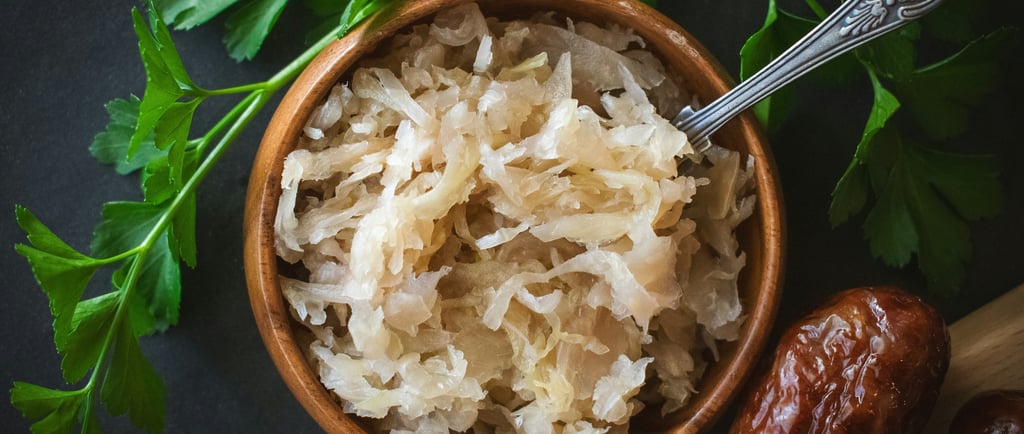
Kimchi and sauerkraut
Fermented vegetables
Kombucha and brined drinks
2. High-Fiber Diet
Participants increased intake of:
Whole grains
Legumes
Vegetables
Seeds and plant fibers
The intervention lasted about 10 weeks, with in-depth analysis of:
Gut microbiome diversity
Immune and inflammatory markers
Microbial functional capacity
The Results That Caught Attention
The fermented-food group:
Showed a progressive increase in gut microbiome diversity
Had significant reductions in multiple inflammatory markers, including IL-6
Demonstrated immune modulation across several signaling pathways
The high-fiber group:
Did not significantly increase microbiome diversity
Did not show consistent inflammatory reductions
Did show some increase in microbial capacity to process carbohydrates
In this study, fermented foods outperformed fiber for microbiome diversity and inflammation reduction.
That result surprised many researchers.
Did the Fermented Group Also Eat Fiber?
Yes — but they were not instructed to increase fiber.
Their fiber intake remained relatively stable. Some fermented foods contain fiber, such as kimchi and sauerkraut, but this was not a fiber-focused protocol.
Which makes the findings more interesting, not less.
The microbiome shifted without a major increase in fiber intake.
Why Didn’t Fiber Perform Better?
This is where functional-medicine context matters.
1. Fiber is not bacteria — it is food
Fiber doesn’t build a microbiome.
It feeds one.
If the ecosystem is already damaged, depleted, or inflamed:
There may not be enough keystone microbes to ferment it
Fiber may produce gas without benefit
Or it may simply pass through underutilized
You cannot fertilize a forest that has been burned down.
2. Microbial adaptation takes time
The researchers themselves suggested that fiber effects may require much longer than 10 weeks, especially in people with:
Low microbial diversity
Prior antibiotic exposure
Chronic inflammation
Metabolic dysfunction
This matches what many clinicians observe.
Patients increase fiber and feel worse — bloating, pressure, reactivity, or no change.
3. Fermented foods may repair the ecosystem first
Fermented foods deliver more than microbes. They contain:
Organic acids such as lactate and acetate
Bioactive peptides
Enzymes
Immune-modulating compounds
Interestingly, only a small percentage of new gut microbes matched microbes found in the foods themselves.
This suggests fermented foods may:
Change the intestinal environment
Improve immune tolerance
Lower inflammatory tone
Allow existing microbes to repopulate
In other words, they may help restore the conditions that allow a microbiome to regrow.
This Study Does Not Say Fiber Is Wrong
This is critical.
The study does not show that:
Fiber is useless
Fermented foods replace fiber
Probiotics are superior
Plants do not matter
What it suggests instead is simple but powerful:
Order matters.
A More Functional Framework
Rather than fiber versus fermented foods, the data supports sequencing.
Phase 1 — Ecosystem Repair
Fermented foods
Immune calming
Barrier support
Reduction of inflammatory signaling
Phase 2 — Microbial Expansion
Diverse fibers
Resistant starches
Polyphenols
Plant diversity
Phase 3 — Precision Feeding
Targeted prebiotics
Postbiotics
Condition-specific fibers
Metabolic tailoring
This explains why:
Some people thrive on fiber immediately
Others need microbial conditioning first
And why forcing fiber in the wrong terrain often backfires
Clinical Implications
This research supports what many functional practitioners already observe:
IBS, autoimmune, metabolic syndrome, post-antibiotic, post-viral, and inflammatory patients often tolerate fermented foods before fibers
Microbiome diversity may require signaling restoration before substrate loading
Gut work is not just feeding bacteria — it is retraining the ecosystem
Bottom Line
Fiber builds mass.
Fermented foods may rebuild terrain.
The future of gut health is not “more fiber” or “more probiotics.”
It is sequencing, personalization, and ecosystem repair.
If You’re Working on Your Gut Health
Start by asking:
Is my gut inflamed or resilient?
Am I reacting to fibers?
Have I lost tolerance?
Have I rebuilt signaling before feeding volume?
Those answers determine whether fiber is fuel — or friction.
Want a structured gut-restoration approach?
Explore my Gut Foundations resources at PharmToFunction.com, where I integrate nutrition, microbiome science, and metabolic repair into step-by-step protocols.
About Pharm to Function
Pharm to Function is a health education platform focused on functional medicine, metabolic health, and systems-based prevention.
Built by a pharmacist and functional-medicine practitioner, Pharm to Function translates complex physiology into clear, practical education.
Stay Connected
Pharm to Function releases new learning guides, research summaries, and educational resources regularly.
You can join the education list to receive updates and foundational materials.
© 2025 Pharm-to-Function | All Rights Reserved