Discover Lifestyle Medicine in Action! Download our free “Age Better in 30 Days” wellness guide.

Rei-Ho: Ancient Samurai Squats for Modern Aging and Strength
Rei-Ho squats, inspired by samurai tradition, can boost leg strength by 26% in just 5 minutes a day—no gym, no equipment, all longevity.
FUNCTIONAL FITNESS
rei-ho-samurai-squats-aging-strength
11/3/20253 min read
The Key to Independence May Be Found in a Daily Five-Minute Ritual
Aging gracefully isn’t solely about striving for youth—it’s about preserving strength, balance, and independence.
A recent study from Tohoku University in Japan discovered that engaging in Rei-Ho squats, a time-honored samurai etiquette practice, can boost knee-extension strength by 26% within just three months through a mere five minutes of daily effort.
What Is Rei-Ho?
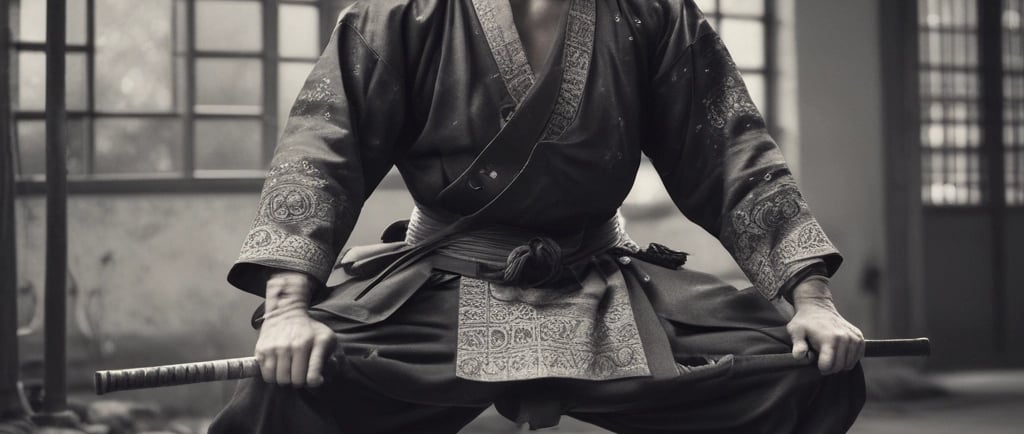
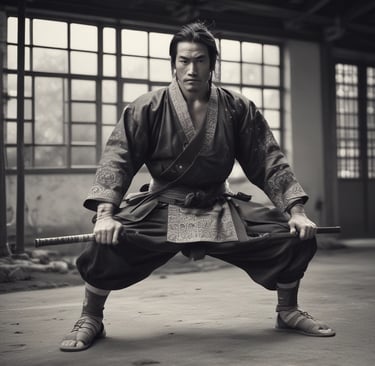
Rei-Ho, which translates to “the way of respect,” used to be a form of mindful movement utilized by samurai as part of their etiquette traditions.
In the study, scientists modified the movements to create a five-minute lower-body routine:
10–12 slow squats and 10 slow sit-to-stands, practiced four to five times a week.
No weights or special equipment are required—just slow, careful movements.
Unlike traditional squats, Rei-Ho focuses on keeping an upright torso and slow descent, safeguarding the back and knees while enhancing balance.
How Rei-Ho Differs from Traditional Squats
Rei-ho squats and traditional squats may appear similar at first glance, but their movement patterns and body mechanics are quite different.
1. Posture and Spine Alignment
In Rei-ho, the spine stays upright and tall throughout the entire motion. The movement is vertical, with the torso remaining nearly perpendicular to the floor.
In a conventional squat, the torso leans forward as the hips move back to maintain balance, which can increase the load on the lower back.
2. Descent and Tempo
Rei-ho emphasizes a slow, deliberate descent and rise, often taking three to four seconds each way. This controlled pace builds eccentric strength—the ability to resist gravity while muscles lengthen—and reduces stress on the knees.
Conventional squats are typically faster and more dynamic, using momentum and targeting power rather than control.
3. Center of Gravity
During Rei-ho practice, the body’s center of gravity stays close to the heels, and the knees move directly above the ankles without drifting forward.
In conventional squats, the knees may travel slightly forward over the toes, especially when using weights, shifting the center of gravity forward.
4. Core and Balance Engagement
Rei-ho requires continuous engagement of the core and postural muscles to maintain vertical alignment and balance.
In a conventional squat, stability is shared between the core and hip flexors, often emphasizing strength over alignment.
Why It Works
Eccentric strength: The gradual lowering enhances muscle control and joint stability.
Joint-friendly motion: Reduces impact on the knees and hips.
Mindful control: Encourages balance and body awareness via breath and posture.
Consistency over intensity: Just five minutes each day yields notable improvements in mobility and independence.
The Study Findings
Thirty-four adults participated in the study—half engaged in Rei-Ho while the other half maintained their usual daily routines.
After three months:
The Rei-Ho group exhibited an approximate 26 percent increase in knee-extension strength.
The control group demonstrated merely a 2–3 percent natural variation.
Some minor aches were reported, yet they did not hinder the training.
Although modest in size, the study endorses Rei-Ho as a straightforward, low-risk, and accessible exercise option for the elderly.
How to Practice Rei-Ho at Home
Sit on a stable chair with your feet flat and knees at 90 degrees.
Inhale, engage your core, and slowly rise over 3–4 seconds.
Exhale and lower slowly over 3–4 seconds, keeping your torso upright.
Perform 10 slow sit-to-stands, followed by 10–12 slow squats without the chair.
Practice 4–5 days a week, taking rest periods as needed.
Incorporate Rei-Ho into a Healthy Aging Regimen
Combine this mindful movement with essential lifestyle habits:
Protein and collagen in every meal to maintain muscle mass.
Hydration and electrolytes for effective muscle contraction.
Balance exercises like single-leg stands.
Nutrient-rich foods and sunlight for healthy mitochondria and joints.
7–8 hours of restorative sleep to aid tissue repair and hormonal regulation.
The Summary
Aging with strength doesn’t necessitate a gym subscription.
With merely five minutes of focused movement, Rei-Ho squats blend time-honored mindfulness with contemporary muscle science, enabling you to sustain strength, stability, and independence regardless of age.
“Strength and respect originate from the ground up.”
Inspired by research published in The Tohoku Journal of Experimental Medicine (2025).
About Pharm to Function
Pharm to Function is a health education platform focused on functional medicine, metabolic health, and systems-based prevention.
Built by a pharmacist and functional-medicine practitioner, Pharm to Function translates complex physiology into clear, practical education.
Stay Connected
Pharm to Function releases new learning guides, research summaries, and educational resources regularly.
You can join the education list to receive updates and foundational materials.
© 2025 Pharm-to-Function | All Rights Reserved