Discover Lifestyle Medicine in Action! Download our free “Age Better in 30 Days” wellness guide.

The Dirty Dozen and Clean Fifteen: Smart Choices for a Healthier Plate
Make smarter produce choices and support your health: explore the updated 2025 Environmental Working Group lists of the Dirty Dozen and Clean Fifteen, learn why pesticide exposure matters for your gut, hormones, and longevity, and get practical tips for eating cleaner without spending more.
NUTRITION AND FOOD CHOICES
John Burke
5/8/20242 min read
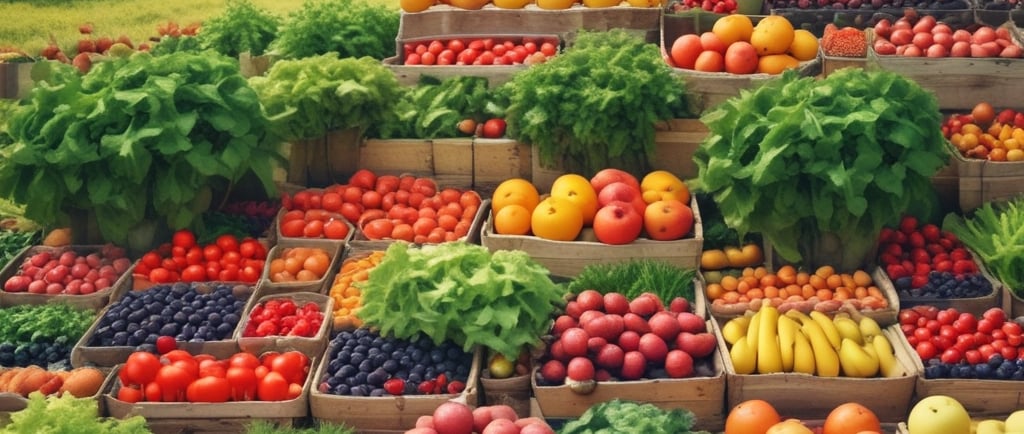
Eat smarter, not harder—learn how to reduce pesticide exposure and make informed produce choices.
When it comes to eating healthy, most of us think about what foods to eat—but rarely how those foods were grown.
Even the most nutrient-dense fruits and vegetables can carry unwanted pesticide residues that stress the liver, disrupt hormones, and burden the immune system.
The good news? You can make a major impact simply by choosing wisely. Each year, the Environmental Working Group (EWG) publishes two lists—the Dirty Dozen and the Clean Fifteen—to help consumers identify which fruits and vegetables are most and least contaminated with pesticides.
What Are the Dirty Dozen and Clean Fifteen?
The Dirty Dozen includes the top twelve produce items that tend to have the highest pesticide residues.
The Clean Fifteen highlights produce with the lowest levels of pesticide contamination, even when grown conventionally.
The EWG compiles these rankings using data from thousands of USDA and FDA produce tests.
2025 Dirty Dozen
Spinach
Strawberries
Kale, collard & mustard greens
Grapes
Peaches
Cherries
Nectarines
Pears
Apples
Blackberries
Blueberries
Potatoes
Bell & hot peppers, Green beans (flagged as high-toxicity “plus” items)
Takeaway:
Buy these organic whenever possible, or source from trusted local farms that minimize chemical use. Washing and peeling help, but they can’t remove all residues absorbed through the skin.
2025 Clean Fifteen
Pineapples
Sweet corn (fresh & frozen)
Avocados
Papaya
Onions
Sweet peas (frozen)
Asparagus
Cabbage
Watermelon
Cauliflower
Bananas
Mangoes
Carrots
Mushrooms
Kiwi
Takeaway:
These items are safe to buy conventionally if you’re balancing a grocery budget. They’re naturally more resistant to pests or have protective peels that limit chemical absorption.
Why This Matters for Your Health
Even small amounts of pesticide exposure can accumulate over time, contributing to:
Hormone disruption
Fertility issues
Gut microbiome imbalance
Oxidative stress and inflammation
Children and pregnant women are especially sensitive. Prioritizing clean produce helps lighten the body’s toxic burden, freeing your liver and mitochondria to focus on energy production and repair.
How to Reduce Pesticide Exposure
Choose organic versions of the Dirty Dozen when possible
Wash produce with a vinegar or baking soda soak (10–15 minutes)
Peel when appropriate (apples, cucumbers, root vegetables)
Buy from local farms or farmers’ markets that use low-spray or regenerative practices
Diversify your produce—rotate choices and eat a rainbow for nutrient coverage
Budget-Friendly Tip
If buying all organic isn’t realistic, start with the items your family eats most often—especially those on the Dirty Dozen list.
You can also prioritize frozen organic produce, which is often more affordable and nutritionally comparable to fresh.
In Summary
Clean eating isn’t about perfection—it’s about awareness.
By focusing on what matters most, you can lower your toxic load, protect your hormones, and support your body’s natural detox pathways without feeling overwhelmed.
Your health journey starts with simple swaps: choosing cleaner food, breathing cleaner air, and drinking cleaner water—all of which help your body function as it’s designed to.
Ready to Take the Next Step?
Learn more about how nutrition and toxin reduction can transform your metabolism and longevity.
Book a Consultation → Make and appointment
or explore our functional supplement recommendations in the Shop.
About Pharm to Function
Pharm to Function is a health education platform focused on functional medicine, metabolic health, and systems-based prevention.
Built by a pharmacist and functional-medicine practitioner, Pharm to Function translates complex physiology into clear, practical education.
Stay Connected
Pharm to Function releases new learning guides, research summaries, and educational resources regularly.
You can join the education list to receive updates and foundational materials.
© 2025 Pharm-to-Function | All Rights Reserved