Discover Lifestyle Medicine in Action! Download our free “Age Better in 30 Days” wellness guide.

Understanding Bone Loss: Oxidative Stress, Iron, and the Root Causes of Osteoporosis
LIFESTYLE MEDICINE AND LONGEVITY
John Burke RPh, CFMP, CPT
3/14/20263 min read
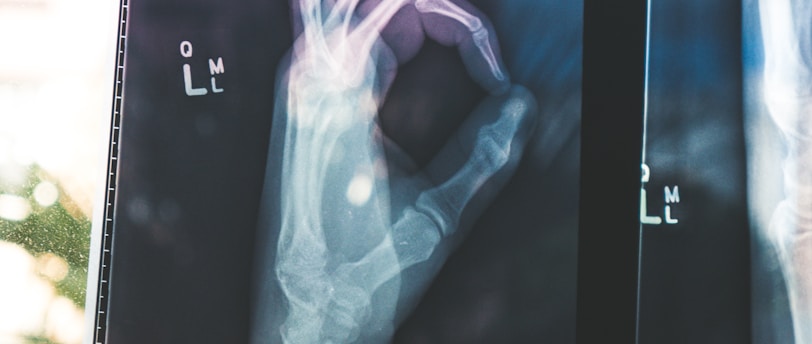
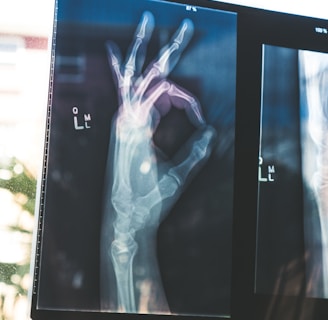
Osteoporosis is often thought of as a simple calcium deficiency problem. In reality, bone loss is a far more complex metabolic process involving hormones, inflammation, oxidative stress, nutrient status, and lifestyle factors.
Bones are not static structures. They are living tissue constantly undergoing a process called bone remodeling, where old bone is broken down and new bone is formed. When this balance shifts toward breakdown, bone density gradually declines.
Understanding the underlying causes of bone loss can help people take proactive steps to protect and rebuild bone health.
Osteopenia vs Osteoporosis: What’s the Difference?
Bone loss occurs on a spectrum.
Osteopenia is the early stage, where bone mineral density is lower than normal but not yet severe.
Osteoporosis represents advanced bone loss where bones become fragile and more susceptible to fractures.
The key issue is not just bone quantity but also bone quality and structure, which determine how resilient bones are to everyday stress and impact.
Primary vs Secondary Osteoporosis
Osteoporosis is generally divided into two categories.
Primary Osteoporosis
Primary osteoporosis is the most common form and is largely related to aging and hormonal changes.
In women, declining estrogen levels after menopause accelerate bone breakdown. In men, gradual decreases in testosterone can contribute to bone loss over time.
Hormones play a critical role in maintaining the balance between bone-building cells (osteoblasts) and bone-resorbing cells (osteoclasts).
Secondary Osteoporosis
Secondary osteoporosis occurs when another medical condition, medication, or metabolic factor interferes with normal bone remodeling.
Examples include:
Endocrine and metabolic conditions
Hyperparathyroidism
Type 1 diabetes
Athletic amenorrhea
Eating disorders
Genetic disorders
Osteogenesis imperfecta
Marfan syndrome
Ehlers-Danlos syndrome
Medications
Long-term corticosteroids
Excess thyroid hormone
Methotrexate
Heparin
Nutritional and digestive issues
Vitamin D deficiency
Calcium deficiency
Chronic liver disease
Alcohol abuse
Malabsorption disorders
When evaluating bone loss, it is critical to look beyond bone density alone and investigate potential root causes.
Oxidative Stress and Bone Loss
A less commonly discussed driver of bone loss is oxidative stress.
Oxidative stress occurs when there is an imbalance between harmful molecules called free radicals and the body’s antioxidant defenses.
This imbalance can damage cells throughout the body, including bone tissue.
Research suggests oxidative stress can:
Increase osteoclast activity (bone breakdown)
Impair osteoblast function (bone formation)
Damage bone matrix and structure
Over time, this imbalance can shift bone remodeling toward net bone loss.
High Ferritin: A Potential Contributor to Bone Loss
Ferritin is the body’s primary iron storage protein. While iron is essential for oxygen transport and metabolism, excessive iron can become problematic.
When ferritin levels become elevated, iron can participate in chemical reactions that produce reactive oxygen species (ROS) through what is known as the Fenton reaction.
These reactive molecules increase oxidative stress and may negatively affect bone health.
Elevated ferritin levels have been associated with:
Increased osteoclast activity (bone resorption)
Reduced osteoblast activity (bone formation)
Greater oxidative damage to bone tissue
Although ferritin elevation does not always mean iron overload, persistently high levels may warrant further evaluation.
Strategies to Reduce Excess Iron and Oxidative Stress
If ferritin levels are elevated, several lifestyle and medical strategies may help restore balance.
Blood Donation
Regular blood donation is one of the most effective ways to reduce excess iron stores in individuals with high ferritin levels.
By lowering stored iron, the body may reduce oxidative stress and improve metabolic balance.
Dietary Adjustments
In some cases, limiting excessive intake of heme iron (primarily from red meat) may help reduce iron accumulation.
Balancing iron intake with antioxidant-rich foods may also help counter oxidative stress.
Antioxidant-Rich Foods
Foods rich in antioxidants help neutralize free radicals and support healthy bone metabolism.
Examples include:
berries
leafy greens
nuts and seeds
colorful vegetables
green tea
These foods support cellular health and may help protect bone tissue from oxidative damage.
Milk Thistle
Milk thistle contains the compound silymarin, which has antioxidant and potential iron-modulating properties.
Some research suggests milk thistle may help regulate ferritin levels and reduce oxidative stress, although more research is still needed.
A Root-Cause Approach to Bone Health
Bone loss is rarely caused by a single factor. Instead, it is often the result of multiple interacting influences including:
hormonal changes
oxidative stress
inflammation
nutritional deficiencies
metabolic health
lifestyle habits
A comprehensive approach to bone health involves identifying and addressing these underlying drivers rather than focusing solely on bone density measurements.
By supporting metabolic health, reducing inflammation, improving nutrient intake, and maintaining an active lifestyle, individuals can create an environment that supports stronger and more resilient bones.
Looking Ahead
Understanding the root causes of bone loss is only the first step.
In the next article, we will explore how specific types of exercise and movement can stimulate bone growth and significantly reduce fracture risk.
About Pharm to Function
Pharm to Function is a health education platform focused on functional medicine, metabolic health, and systems-based prevention.
Built by a pharmacist and functional-medicine practitioner, Pharm to Function translates complex physiology into clear, practical education.
Stay Connected
Pharm to Function releases new learning guides, research summaries, and educational resources regularly.
You can join the education list to receive updates and foundational materials.
© 2025 Pharm-to-Function | All Rights Reserved