Discover Lifestyle Medicine in Action! Download our free “Age Better in 30 Days” wellness guide.

Urolithin A: The Postbiotic Your Microbiome Makes — If You Feed It Right
Urolithin A is one of the most exciting breakthroughs in gut health, mitochondrial function, and healthy aging. This blog explains what it is, how your microbiome makes it, why only some people produce it, and what the newest human studies reveal about its role in muscle strength, longevity, and cellular energy. You’ll learn how food, gut diversity, and supplements can support this powerful postbiotic — and whether you may benefit from adding it to your wellness routine.
SUPPLEMENT SCIENCE
John Burke RPh, CFMP, CPT
11/29/20255 min read
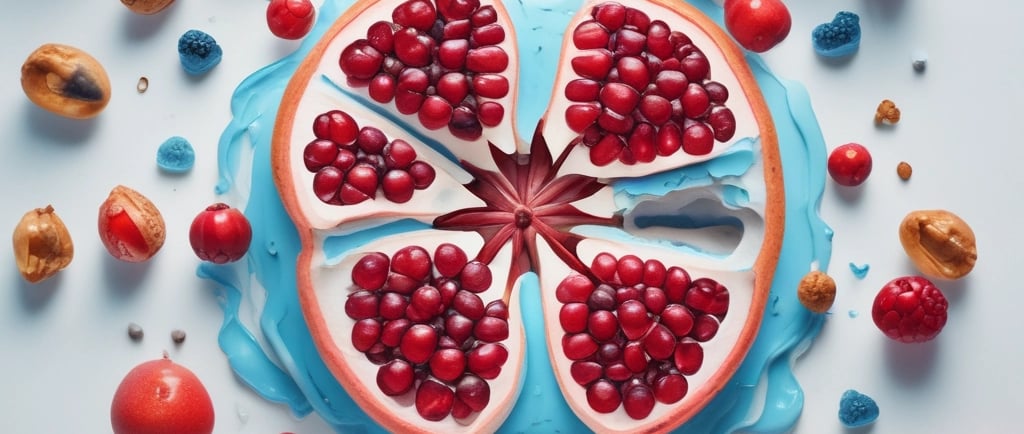

Most people know that antioxidants from berries, pomegranates, nuts, and colorful plants are good for us. But what almost no one realizes is this:
Some of the most powerful benefits from these foods don’t come from the foods themselves — they come from what your gut microbiome turns them into.
One of the most important of these compounds is urolithin A, a postbiotic that has exploded in scientific interest for its effects on:
mitochondrial health
mitophagy (cellular cleanup of damaged mitochondria)
muscle strength and endurance
immune system resilience
healthy aging and longevity
What’s fascinating is that your body does not make urolithin A on its own — your gut microbes must create it. But here’s the twist:
Only 30–40% of people naturally make meaningful amounts of urolithin A, even when they eat all the right foods.
This makes urolithin A one of the clearest examples of why gut health is foundational to longevity — and one of the best-studied postbiotics in human trials today.
Let’s break it down.
What Is Urolithin A?
Urolithin A is a postbiotic, meaning it’s produced after digestion by the microbiome.
When you eat foods rich in ellagitannins (a type of polyphenol), they are broken down into ellagic acid — and then transformed by specific gut bacteria into urolithin A.
Urolithin A isn’t just another antioxidant. It has a unique, well-documented ability to:
activate mitophagy (selective cleanup of damaged mitochondria)
improve mitochondrial efficiency
support muscle function and endurance in aging adults
enhance immune resilience
support metabolic health
This makes UA one of the most promising “cellular rejuvenation” compounds in modern longevity research.
How Does the Body Make Urolithin A?
The process relies entirely on the gut:
You eat ellagitannin-rich foods.
Your stomach and small intestine convert them to ellagic acid.
In the colon, specific bacteria transform ellagic acid into urolithin A.
UA is absorbed and used throughout the body.
This is why two people can eat the same foods and experience totally different benefits — it depends on whether they have the microbes required to make UA.
Foods That Support Natural Urolithin A Formation
Here are the best dietary sources of ellagitannins:
Pomegranates (especially juice and arils)
Walnuts
Pecans
Strawberries
Blackberries
Raspberries
These foods do not contain urolithin A — they contain its precursors.
Eating them regularly can improve UA production if the right gut bacteria are present.
Why Some People Don’t Make Urolithin A
People naturally fall into three “urolithin metabotypes,” based on how their gut responds to ellagitannins:
UM-A: strong urolithin A producers
UM-B: weak or mixed producers
UM-0: non-producers
Only about one-third of the population falls into the high-producing category.
Reasons for low production include:
missing key bacteria (genetically determined microbiome makeup)
poor metabolic health
history of antibiotics
low microbiome diversity
chronic gut inflammation or dysbiosis
low-fiber, low-polyphenol diets
aging
This is why you can give some people pomegranates all day long and their body still produces little to no UA.
Can You Test Your Urolithin A Status?
Testing is emerging but not yet part of routine clinical panels.
Researchers use urine or blood tests after a “pomegranate challenge” to classify someone into UM-A, UM-B, or UM-0.
Some specialty longevity programs offer this testing, but most clinicians do not yet have access to standardized assays.
For now, you generally “know” your status by:
consuming ellagitannin-rich foods for several weeks
evaluating how you respond (energy, endurance, muscle recovery, gut tolerance)
or using commercial programs that test for UA metabolites
This will likely become more commonplace as personalized nutrition evolves.
Does Supplementing With Urolithin A Help You Become a Producer?
This is an important myth to clear up:
Supplementing with urolithin A does NOT train the microbiome to produce more of it.
UA supplements give you the finished product, bypassing gut metabolism.
They do not:
increase your UA-producing bacterial strains
change your urolithin metabotype
convert non-producers into producers
It’s downstream — not a probiotic and not a microbiome trainer.
However, supplementation does allow everyone — even non-producers — to access the benefits.
Can You Train a Low-Producing Microbiome to Become a Better Producer?
For some people, yes — but only if the necessary bacteria are present at low levels.
Ways to improve natural UA production include:
1. Repeated intake of ellagitannin-rich foods
This can stimulate low-abundance bacteria if they exist.
2. Supporting SCFA (short-chain fatty acid) production
This improves microbial diversity and colonic health.
Key strategies:
soluble fiber
resistant starches
pomegranate extract
GOS, acacia fiber, psyllium
berries & polyphenol diversity
3. Reducing gut inflammation
Because UA-producing bacteria are highly sensitive to inflammatory environments.
Supportive tools include:
glutamine
NAC
cysteine-rich foods
omega-3s
butyrate
demulcent herbs
low seed-oil diet
4. Improving overall microbiome diversity
“Eat the rainbow” works here.
5. Maintaining metabolic health
Insulin resistance and dysbiosis often coexist.
Important note:
If someone is a true UM-0 non-producer, current research suggests that diet alone will not create the missing bacteria.
This may change in the future once targeted probiotics containing specific UA-producing strains become available.
Why Supplement Urolithin A? (Especially for Non-Producers)
Even with a perfect diet, the microbiome bottleneck means many people will never make enough UA on their own.
This is why supplementation has become so widely studied.
Clinical trials in older adults show that urolithin A supplementation:
improves mitochondrial efficiency
boosts mitophagy
increases muscle endurance and strength
improves mitochondrial biomarkers
may support immune function
reduces markers of inflammation
supports healthy aging at the cellular level
These benefits occur even in people who naturally produce no UA.
This makes supplementation one of the most reliable ways to access the mitochondrial and longevity benefits.
Why Longevity Researchers Are So Excited About Urolithin A
UA hits every major theme in modern longevity science:
1. A natural mitophagy activator
Healthy aging depends on the continuous cleanup and renewal of mitochondria.
UA is one of the few compounds proven to do this in animals and suggested by biomarkers in humans.
2. Cross-species evidence
Worms: extended lifespan
Rodents: improved muscle function and endurance
Humans: improved muscle endurance, strength, mitochondrial biomarkers
This is extremely rare in nutrition science.
3. It’s a postbiotic
It beautifully illustrates the diet → microbiome → mitochondria → longevity pathway.
4. It’s accessible
It comes from real food.
And supplementation allows even non-producers to benefit.
5. It has a clean safety profile in studies
Human trials show strong tolerability.
Altogether, urolithin A presents one of the clearest, most evidence-backed ways to support cellular energy, muscle health, and healthy aging.
How to Support Urolithin A Naturally
Whether or not you supplement, these strategies boost cellular and gut health:
Eat ellagitannin-rich foods
pomegranates
berries
walnuts
Support your gut microbiome
diversity of plants
resistant starches
polyphenol-rich diet
low seed-oil, anti-inflammatory approach
fermented foods if tolerated
Improve metabolic and mitochondrial health
daily walking
strength training
quality sleep
stress regulation
sunlight exposure
These behaviors amplify the effects of UA and support your body’s natural longevity pathways.
Final Takeaway
Urolithin A might be one of the clearest examples of how your gut microbiome shapes your longevity.
Some people produce it naturally.
Many do not.
And even among producers, the levels vary wildly.
But the science is clear:
Urolithin A improves mitochondrial function
It supports muscle strength and endurance
It enhances cellular cleanup (mitophagy)
It may benefit immune and metabolic health
It plays a role in healthy aging
And supplementation provides consistent levels for everyone
If you want to optimize your mitochondrial health, support graceful aging, or build a more resilient gut–brain–body system, urolithin A is one of the most exciting tools we currently have in the modern longevity toolbox.
Want professional-grade supplements that support gut, mitochondrial, and longevity health?
👉 Explore my recommended formulas through my Fullscript dispensary:
https://us.fullscript.com/welcome/pharmtofunction
About Pharm to Function
Pharm to Function is a health education platform focused on functional medicine, metabolic health, and systems-based prevention.
Built by a pharmacist and functional-medicine practitioner, Pharm to Function translates complex physiology into clear, practical education.
Stay Connected
Pharm to Function releases new learning guides, research summaries, and educational resources regularly.
You can join the education list to receive updates and foundational materials.
© 2025 Pharm-to-Function | All Rights Reserved